Graphics for Growth: NEVER SAY I CAN’T, ALWAYS SAY I’LL TRY
The First Impression: A Graphic That Speaks to Ambition
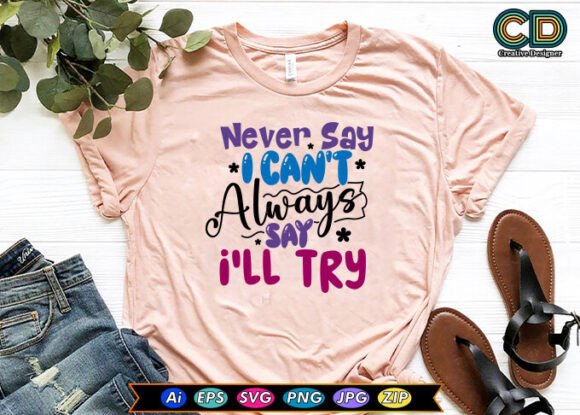
NEVER SAY I CAN’T, ALWAYS SAY I’LL TRY immediately captures attention with its bold message and clean typography. The design exudes a motivational tone that’s both empowering and approachable. It feels like a graphic designed for creators who are ready to push boundaries and embrace the journey of growth. This makes it a perfect fit for content focused on personal development, productivity, and self-improvement.
Editorial Mood and Content Niche
The visual mood of NEVER SAY I CAN’T, ALWAYS SAY I’LL TRY is modern, aspirational, and slightly inspirational. It leans into a lifestyle-focused aesthetic that resonates well with audiences interested in digital marketing, online education, and small business branding. Whether used as a blog header or a downloadable printable, this graphic supports content that encourages action and positivity.
Real Publishing Use Cases
As an experienced blog designer, I’ve seen how the right graphic can elevate an entire editorial piece. NEVER SAY I CAN’T, ALWAYS SAY I’LL TRY is versatile enough to be used across multiple publishing platforms:
- Blog Featured Images: This graphic works well as a hero image for articles about mindset shifts, goal setting, and overcoming obstacles.
- Pinterest Pins: Its clean layout and high contrast make it ideal for social media visuals that need to stand out in a crowded feed.
- Website Headers: As a website header, it adds a strong visual identity that aligns with brand values of perseverance and innovation.
- Newsletter Graphics: The design supports newsletter headers and promotional graphics that drive engagement and click-through rates.
- Lead Magnets: It can be used as a cover graphic for downloadable resources such as worksheets, guides, and digital products.
- Social Media Posts: Its versatility makes it suitable for Instagram, Facebook, and LinkedIn posts that promote content marketing and affiliate marketing strategies.
Supporting Content Performance
Using NEVER SAY I CAN’T, ALWAYS SAY I’LL TRY in your publishing workflow can have a measurable impact on content performance:
- Stronger First Impressions: A compelling graphic like this one grabs attention from the moment a reader lands on your page.
- Cleaner Visual Hierarchy: The design supports clear hierarchy, making it easier for readers to focus on key messages.
- Better Click-Through Potential: When used in social media graphics or email newsletters, it increases the likelihood of clicks and conversions.
- Improved Reader Trust: Consistent use of high-quality design assets like this builds trust and professionalism in your brand identity.
- More Consistent Branding: It reinforces a cohesive visual system that strengthens your creative design and commercial design efforts.
Where It Works Best
NEVER SAY I CAN’T, ALWAYS SAY I’LL TRY excels in areas where visual impact and clarity are essential:
- Hero Images: Perfect for landing pages and homepage banners that require a strong visual anchor.
- Article Thumbnails: Its bold text and clean layout make it ideal for thumbnail previews that encourage clicks.
- Pinterest Pins: High contrast and readable text ensure it performs well in search and discovery.
- Blog Graphics: Supports a variety of blog layouts, including sidebars, pop-ups, and featured sections.
- Editorial Accents: Can be used as a subtle accent in content layouts to reinforce key messaging.
- Downloadable Resources: Ideal for lead magnets and digital guides that need a professional finish.
- Category Visuals: Helps establish a consistent look across different content categories and topics.
- Social Media Previews: Works well in preview cards and shareable content for platforms like Twitter and LinkedIn.
Where to Use with Caution
While NEVER SAY I CAN’T, ALWAYS SAY I’LL TRY is a powerful asset, there are situations where it may not be the best choice:
- Small Mobile Thumbnails: The bold text and large font size may not scale well on tiny screens.
- Text-Heavy Blog Images: It might compete with other text elements if used in complex layouts.
- Low-Contrast Backgrounds: The design relies on strong color contrast, so it may lose impact in less vibrant settings.
- BUSY Layouts: Avoid using it in layouts with too many visual elements, as it could become overwhelming.
- Corporate Niches: While it’s versatile, its playful tone may not suit more formal or serious content.
- Minimalist Websites: If your site has a very minimal visual system, this graphic may feel too bold or disruptive.
Publisher Notes for Optimal Use
To get the most out of NEVER SAY I CAN’T, ALWAYS SAY I’LL TRY, consider these practical tips:
- Test on Multiple Devices: Ensure the graphic looks good on both desktop and mobile screens.
- Check Thumbnail Preview: Confirm it performs well as a thumbnail in search engines and social feeds.
- Preview in Real Layouts: Place it within a blog post or newsletter template to see how it integrates.
- Test with Headline Text: Ensure it complements the surrounding text without overshadowing it.
- Check Contrast and Readability: Make sure the text remains legible in different lighting conditions and backgrounds.
- Try in Black and White: Assess how the design holds up in grayscale for accessibility and print use.
- Place Beside Different Fonts: Test it with serif, sans-serif, script, and display fonts to find the best pairing.
- Review File Size: Optimize images for web performance without sacrificing quality.
- Compress Images Properly: Use tools to reduce file size while maintaining visual clarity.
- Confirm Commercial Licensing: Always verify that you have the proper rights to use the design on monetized sites, affiliate pages, or paid content products.
Final Thoughts on Design Assets
NEVER SAY I CAN’T, ALWAYS SAY I’LL TRY is a graphic design asset that brings energy, clarity, and purpose to any publishing project. Whether you’re creating blog graphics, editorial design, or Canva templates, this design supports your content marketing and creative design goals. With the right formatting and strategic use, it can enhance your brand identity and help your content stand out in a competitive digital landscape.